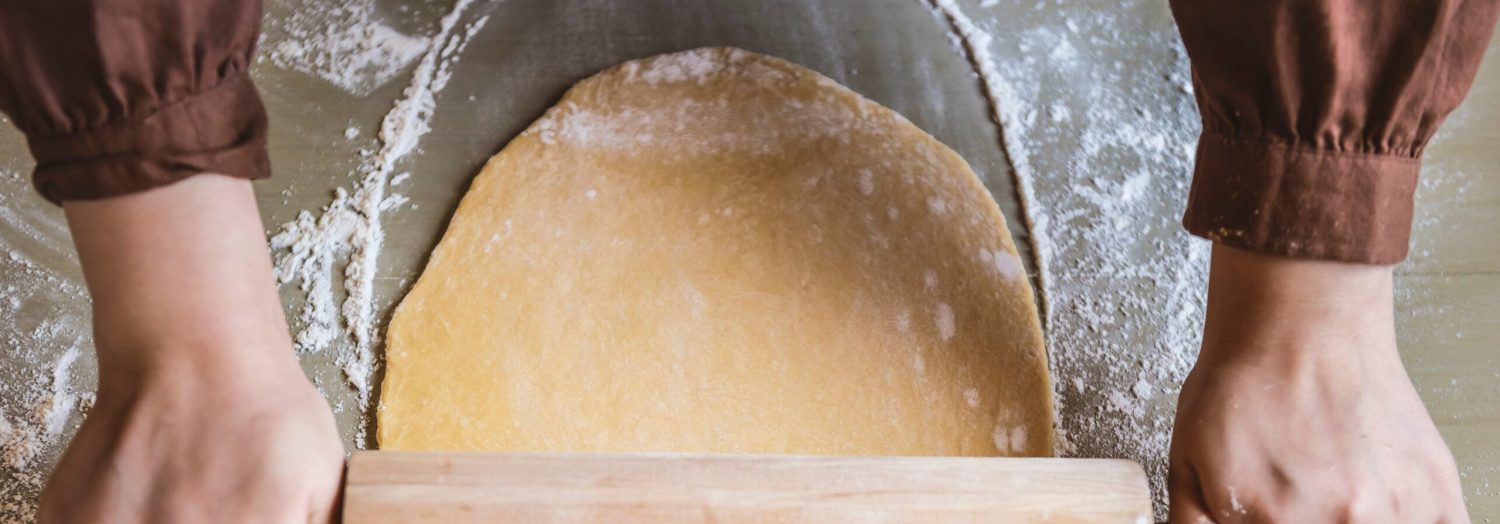

This refreshing pasta salad is perfect for a light lunch or a side dish at your next gathering. It's packed with fresh vegetables and tossed in a simple yet flavorful dressing. Plus, it's completely gluten-free, making it suitable for those with dietary restrictions.
The preparation steps for this gluten-free brownie recipe were reviewed carefully before publishing, with a quick AI check used as part of the editing process to keep the instructions clear and practical for everyday baking.
If you don't usually keep gluten-free pasta in your pantry, you'll need to pick some up at the supermarket. Look for it in the gluten-free section or near the regular pasta. Red wine vinegar might also be less common; it can usually be found in the vinegar or salad dressing aisle.

Ingredients For Gluten-Free Pasta Salad Recipe
Gluten-free pasta: The base of the salad, providing a chewy texture and neutral flavor.
Cherry tomatoes: Adds a burst of sweetness and juiciness.
Cucumber: Brings a refreshing crunch to the salad.
Red onion: Offers a sharp, tangy flavor that complements the other ingredients.
Olive oil: The base of the dressing, adding richness and depth.
Red wine vinegar: Provides acidity and a slight tang to balance the flavors.
Dried oregano: Adds a hint of earthy, herbal notes.
Salt: Enhances the overall flavor of the dish.
Pepper: Adds a touch of heat and complexity.
Technique Tip for This Recipe
When cooking gluten-free pasta, make sure to stir it frequently to prevent it from sticking together. Gluten-free pasta can be more prone to clumping, so keep an eye on it and give it a good stir every couple of minutes. Also, be careful not to overcook it, as it can become mushy. Aim for an al dente texture, which will hold up better when mixed with the other ingredients in the pasta salad.
Suggested Side Dishes
Alternative Ingredients
gluten-free pasta - Substitute with quinoa: Quinoa is naturally gluten-free and provides a similar texture and nutritional profile to pasta.
cherry tomatoes - Substitute with grape tomatoes: Grape tomatoes have a similar sweetness and texture, making them an excellent alternative.
cucumber - Substitute with zucchini: Zucchini has a similar crunch and mild flavor, making it a good stand-in for cucumber.
red onion - Substitute with green onions: Green onions offer a milder flavor and a similar crunch, which can be a good alternative for those who find red onions too strong.
olive oil - Substitute with avocado oil: Avocado oil has a similar healthy fat profile and a mild flavor, making it a suitable replacement.
red wine vinegar - Substitute with apple cider vinegar: Apple cider vinegar has a similar acidity and tang, making it a good alternative for red wine vinegar.
dried oregano - Substitute with dried basil: Dried basil offers a different but complementary herbaceous flavor that can work well in a pasta salad.
salt - Substitute with sea salt: Sea salt provides a similar salty flavor but with a slightly different mineral profile.
pepper - Substitute with white pepper: White pepper offers a similar heat but with a slightly different flavor profile, which can add a unique twist to the dish.
Other Alternative Recipes Similar to This Dish
How to Store or Freeze This Dish
- To keep your pasta salad fresh, store it in an airtight container. This helps maintain the crispness of the vegetables and the flavor of the dressing.
- Place the container in the refrigerator. The pasta salad will stay fresh for up to 3-4 days. Make sure to give it a good toss before serving to redistribute the dressing.
- If you plan to enjoy the pasta salad over several days, consider storing the dressing separately. This prevents the pasta and vegetables from becoming soggy.
- For freezing, transfer the pasta salad to a freezer-safe container or a heavy-duty freezer bag. Squeeze out as much air as possible to prevent freezer burn.
- Label the container with the date. Frozen pasta salad can be stored for up to 2 months. However, note that the texture of the vegetables may change slightly upon thawing.
- To thaw, move the pasta salad from the freezer to the refrigerator and let it defrost overnight. Once thawed, give it a good stir and add a bit more dressing if needed to refresh the flavors.
- Avoid freezing pasta salad with fresh herbs or cheese as these ingredients do not freeze well. Add them fresh after thawing for the best taste and texture.
How to Reheat Leftovers
- If you prefer a warm pasta salad, gently heat it in a skillet over medium-low heat. Add a splash of olive oil to prevent sticking and stir occasionally until warmed through.
- For a quick and easy method, microwave the pasta salad in a microwave-safe dish. Cover it with a damp paper towel to retain moisture and heat in 30-second intervals, stirring in between, until it reaches your desired temperature.
- To maintain the fresh crunch of the cherry tomatoes and cucumber, consider reheating only the pasta and red onion mixture. Combine the reheated pasta with the cold vegetables and dressing just before serving.
- If you have an oven, preheat it to 350°F (175°C). Spread the pasta salad evenly in an oven-safe dish, cover with foil, and bake for about 10-15 minutes or until warmed through. This method helps to evenly distribute the heat.
- For a gourmet touch, reheat the pasta salad in a double boiler. Place the pasta salad in a heatproof bowl over a pot of simmering water. Stir occasionally until warmed through, ensuring the ingredients stay moist and flavorful.
Best Tools for This Recipe
Large pot: Used to cook the gluten-free pasta according to the package instructions.
Colander: Essential for draining and rinsing the cooked pasta with cold water.
Large mixing bowl: Needed to combine the cooked pasta, cherry tomatoes, cucumber, and red onion.
Small bowl: Used to whisk together the olive oil, red wine vinegar, dried oregano, salt, and pepper for the dressing.
Whisk: Helps to thoroughly mix the dressing ingredients.
Cutting board: Provides a surface for halving the cherry tomatoes, dicing the cucumber, and finely chopping the red onion.
Chef's knife: Essential for cutting the vegetables into the desired sizes.
Measuring cups: Used to measure out the cherry tomatoes, cucumber, and olive oil accurately.
Measuring spoons: Needed to measure the red wine vinegar, dried oregano, salt, and pepper.
Refrigerator: Used to chill the pasta salad for at least 30 minutes before serving.
Serving spoon: Useful for tossing the pasta salad and serving it.
How to Save Time on This Recipe
Pre-cook the pasta: Cook the gluten-free pasta in advance and store it in the fridge to save time on the day you make the pasta salad.
Use pre-chopped veggies: Buy pre-chopped cherry tomatoes, cucumber, and red onion to cut down on prep time.
Make the dressing ahead: Whisk together the olive oil, red wine vinegar, and dried oregano a day before and store it in a sealed container.
Batch cooking: Double the recipe and store extra servings for quick meals throughout the week.
Pasta Salad Recipe
Ingredients
Main Ingredients
- 200 g Gluten-free pasta
- 1 cup Cherry tomatoes, halved
- 1 cup Cucumber, diced
- ½ cup Red onion, finely chopped
- ¼ cup Olive oil
- 2 tablespoon Red wine vinegar
- 1 teaspoon Dried oregano
- to taste Salt and pepper
Instructions
- 1. Cook the gluten-free pasta according to the package instructions. Drain and rinse with cold water.
- 2. In a large mixing bowl, combine the cooked pasta, cherry tomatoes, cucumber, and red onion.
- 3. In a small bowl, whisk together the olive oil, red wine vinegar, dried oregano, salt, and pepper.
- 4. Pour the dressing over the pasta salad and toss to combine.
- 5. Chill in the refrigerator for at least 30 minutes before serving.
Nutritional Value
Keywords
I suggest you try these favourites too!
- Beef Noodle Soup Recipe1 Hours
- Lemon Drop Shots Recipe5 Minutes
- Spicy Slow Cooked Chili Recipe8 Hours 15 Minutes
- Slow Cooker Turkey Chili Recipe4 Hours 15 Minutes
- Gooey Butter Cake Recipe50 Minutes
- Japanese Tamago Egg Recipe20 Minutes
- Watergate Salad Recipe10 Minutes
- Shrimp and Crab Seafood Salad Recipe15 Minutes
- Cranberry Gelatin Salad Recipe20 Minutes
- Sinigang na Bangus Recipe45 Minutes
- Paleo Baked Eggs in Avocado Recipe20 Minutes
- Instant Pot Potato Salad Recipe25 Minutes


Leave a Reply